Table Of Content

She has served as a medical officer for the World Health Organization in Geneva, Switzerland and as senior medical advisor for the International Planned Parenthood Federation in London. Dr. Culwell currently serves as the senior vice president and chief medical officer at Afaxys, Inc. She maintains an active medical license and continues to regularly see patients in need of outpatient gynecologic care. Whether you’re in your 2nd or 3rd trimester, pregnancy can affect your hair's normal condition, so it’s worth remembering that your hair may react differently to colouring than it usually does. Several small studies have found that there isn't an increased risk of miscarriage among women who get their hair chemically relaxed, or straightened, while pregnant.
Can you dye your hair during pregnancy? Everything you need to know - Sportskeeda
Can you dye your hair during pregnancy? Everything you need to know.
Posted: Thu, 23 Nov 2023 08:00:00 GMT [source]
When in Doubt, Call Your Doctor
If you’re looking to lighten up your locks, your stylist might bleach your hair before dyeing it—but can you bleach your hair while pregnant? Bleach is considered as safe to use during pregnancy as hair dye, but, similar to the other dyes, Reavey still recommends waiting until after the first trimester. Plus, she and Ross recommend taking extra precaution to ensure the product isn’t directly applied to the scalp. “During pregnancy, your skin is often more sensitive to new ingredients, so prolonged exposure to the scalp/skin can cause irritation,” Reavey says. Even though the chemicals in hair dye are likely safe, it's always better while pregnant to use plant-based dyes to minimize your risk of chemical exposure.

How else can I be safe while dyeing my hair during pregnancy?
According to both Ross and Reavey, previous research has shown that it’s unlikely dyeing hair while breastfeeding poses any increased risk to baby. “As long as you follow the same guidelines recommended during pregnancy, there should be no harm done to your breastfed baby,” Ross reassures. That said, Reavey emphasizes the importance of using safer dyes that are ammonia- and peroxide-free. If you’re having your hair dyed in a salon, tell your hair stylist about your pregnancy right away.
Is It Safe to Dye My Hair While Pregnant?
Of course, you can also skip services altogether and treat yourself to a much-deserved refresh after baby is born. Women are encouraged not to have piercings done on the belly button, nipples or genitalia during pregnancy or while trying to conceive because of the physical changes happening in your body at this time. Bleach is a common cleaner that most of us have used at one point or another. Chlorine and chlorinated disinfectants have not been shown to increase the risk of birth defects. For example, exposure to high levels of lead while pregnant can cause problems like preterm delivery, low birth weight, and miscarriage.
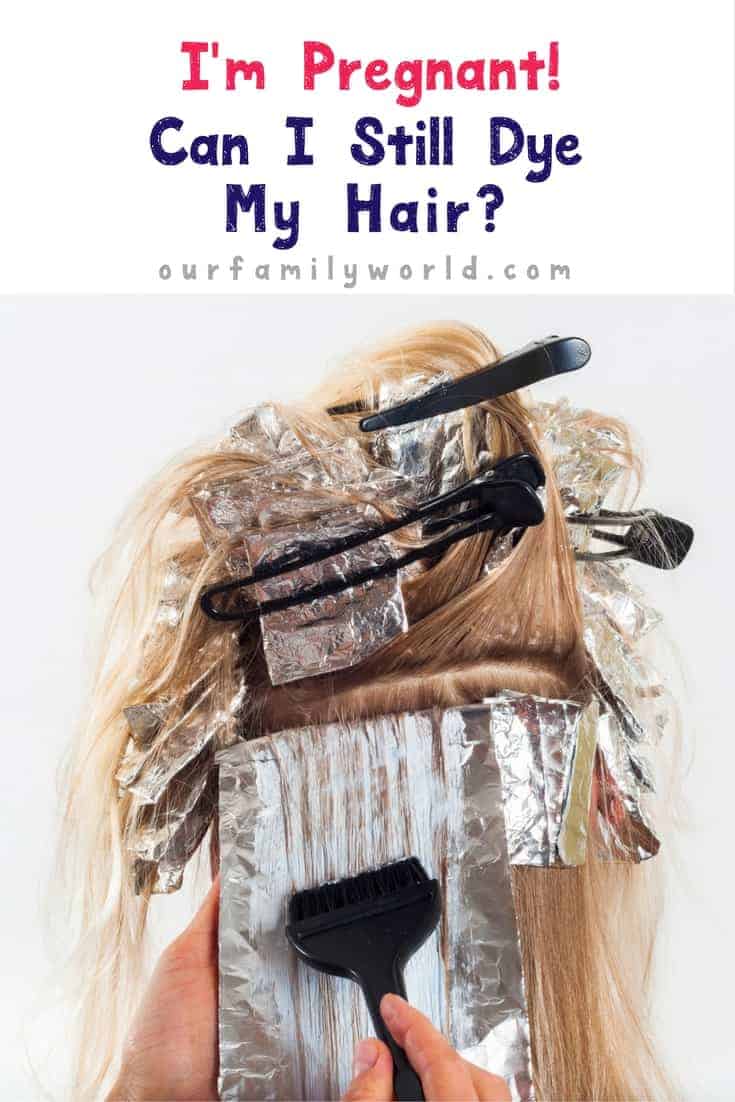
When it comes to safety during pregnancy, there's no difference between bleach, hair dye, relaxers, or curling solutions. They don't pose additional risks as long as you follow the precautions below. If you’re at home, open up the windows so you’re breathing in fresh air, not toxic fumes. Always wear gloves if you’re applying the product to your own hair, and slip into a long-sleeved shirt for extra coverage.
There aren't any conclusive studies about how safe the chemicals used in perms are during pregnancy, but the body absorbs very little of those chemicals. To be extra cautious, you can wait to color your hair until your second trimester, after the critical stages of your baby's organ development are complete. If a person has any concerns about hair treatment during pregnancy, they should speak with a healthcare professional. A person should perform a patch test every time they dye their hair.

Dyeing your hair during pregnancy and breastfeeding is generally considered safe. While there is no definitive study or research to back this, experts believe the trace amounts of dye absorbed by the skin (if any) are unlikely to cause health issues. It's not recommended to dye hair during the early months of pregnancy. Many critical developmental milestones occur during this trimester. For instance, your baby's brain begins to develop around weeks six and seven of your first trimester, therefore, it is best to avoid adding chemical dyes to your scalp at this time. Many experts believe the chemicals in semipermanent and permanent dyes are not highly toxic and are safe during pregnancy.
Bleaching your hair includes the use of hydrogen peroxide and may be used in conjunction with other types of hair coloring. They may be composed of lye (sodium hydroxide) or no-lye (potassium, lithium, or guanidine hydroxide) solutions. If a healthcare provider is on board, bleaching your hair during the second or third trimester of pregnancy is most likely safe. Currently, no data on hair treatments while breastfeeding is available. Skin conditions like eczema and psoriasis cause cracking of the skin. These breaks allow your skin to absorb more of the hair dye's chemicals into your bloodstream.
About BabyCenter
Therefore, she says, natural, semipermanent vegetable dyes such as henna are a safe alternative. "Make sure you check the label before buying, as some 'natural' products or processes may contain the same amount of chemicals as the traditional options." As with all chemicals, it's advised they're avoided in pregnancy as very little research has been carried out around the true impact of these chemicals on pregnant women and their foetus. If you are coloring your own hair, make sure to wear gloves to minimize chemical exposure to your skin. Also, be sure to wash any skin that may have been touched by color treatments well afterward.
When dyeing your hair, it’s important to complete a test patch first to ensure you don’t experience any allergic reactions or problematic side effects. To do so, apply a small amount of mixed dye behind your ear—about the size of a dime. Let the dye dry, then reapply a second and third time in the same area. The dye should sit for 48 hours to see if itchiness or irritation occurs.
Fortunately, there’s no evidence at this point to suggest that hair dye will get into your breast milk if you use it as directed. So, on balance, it seems highly unlikely that it would pose a risk to your baby. Make sure you apply color in a well-ventilated area, and keep a window cracked open to limit the amount of fumes you breathe in. This measure reduces the amount of chemicals that touch and absorb into your skin. Choosing a safe, gentle hair dye is one way to protect your baby from chemical exposure.
The baby’s practice cries include imitating the breathing pattern, facial expression, and mouth movements of a baby crying outside of the womb.
Although the chemicals in permanent and semi-permanent hair dyes may cause harm, this is only in very high doses. When you use hair dye, you are only exposed to very low amounts of these chemicals. Read on to learn more about the safety of using hair dye while pregnant, hair dye alternatives, and the safety of other hair treatments during pregnancy. The structure of your hair itself may also change during pregnancy, making these chemical treatments ineffective for the result you want. While many women report that their hair is shinier, thicker, and grows faster (due to the extra folic acid they’re taking), other women experience the opposite.
The product’s organic argan and coconut oils work to moisturize your hair without weighing it down or making it look greasy. Reviewers have noted that it provides the same bright color as regular hair dye, and smells like bananas (thanks to banana extract). It’s available in 29 different shades, so you’ll be able to find a close match to your desired hair color. A concern some people have is that hair dyes may contain toxic chemicals and these chemicals may be absorbed into the bloodstream via the scalp, causing miscarriages, congenital disabilities, or other complications. However, there is conflicting research about the toxicity of hair dye.
If you’re breastfeeding (chestfeeding), you need to watch what goes into your body. Substances like alcohol and certain prescription drugs can end up in your breast milk. Tell your doctor about any medications you take if you’re planning on breastfeeding your baby. A hallmark of many pregnancies is having a supersensitive sniffer. Even smells you may have tolerated before could now send you running away gagging.
Can you dye your hair while pregnant? How to style your hair while expecting - USA TODAY
Can you dye your hair while pregnant? How to style your hair while expecting.
Posted: Sun, 29 Oct 2023 07:00:00 GMT [source]
As an expectant mother, you’re bombarded with information on how to have a safe and healthy pregnancy. Hair Health Hotline is your direct access to dermatologists, trichologists, hairstylists, and other beauty pros. Each story in this series tackles a common hair or scalp concern and offers science-backed solutions to care for your strands.



No comments:
Post a Comment